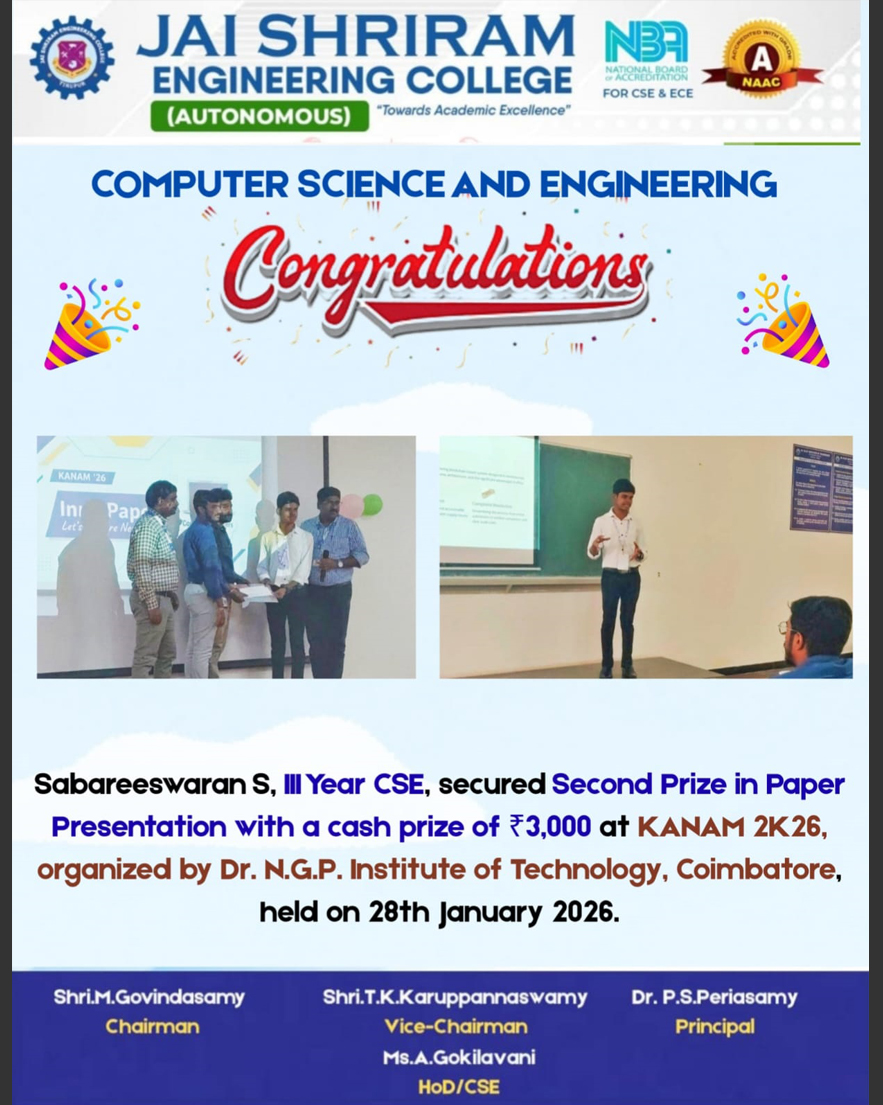
Computer Science and Engineering
About the Department


The Department of Computer Science and Engineering (CSE) was started in the year 2009. Post graduate program in Computer Science and Engineering (M.E.) was introduced in the year 2011. with an intake of 18 students. The Department has reaccredited by NBA for the three years(2023-24 to 2025-26). The department has highly qualified and dedicated faculty members with excellent teaching and practical skills.
The department has well established laboratories with good computing facilities, software tools and applications to provide practical exposure to students. Laboratories are networked with seamless internet connectivity with the speed of 100 Mbps.
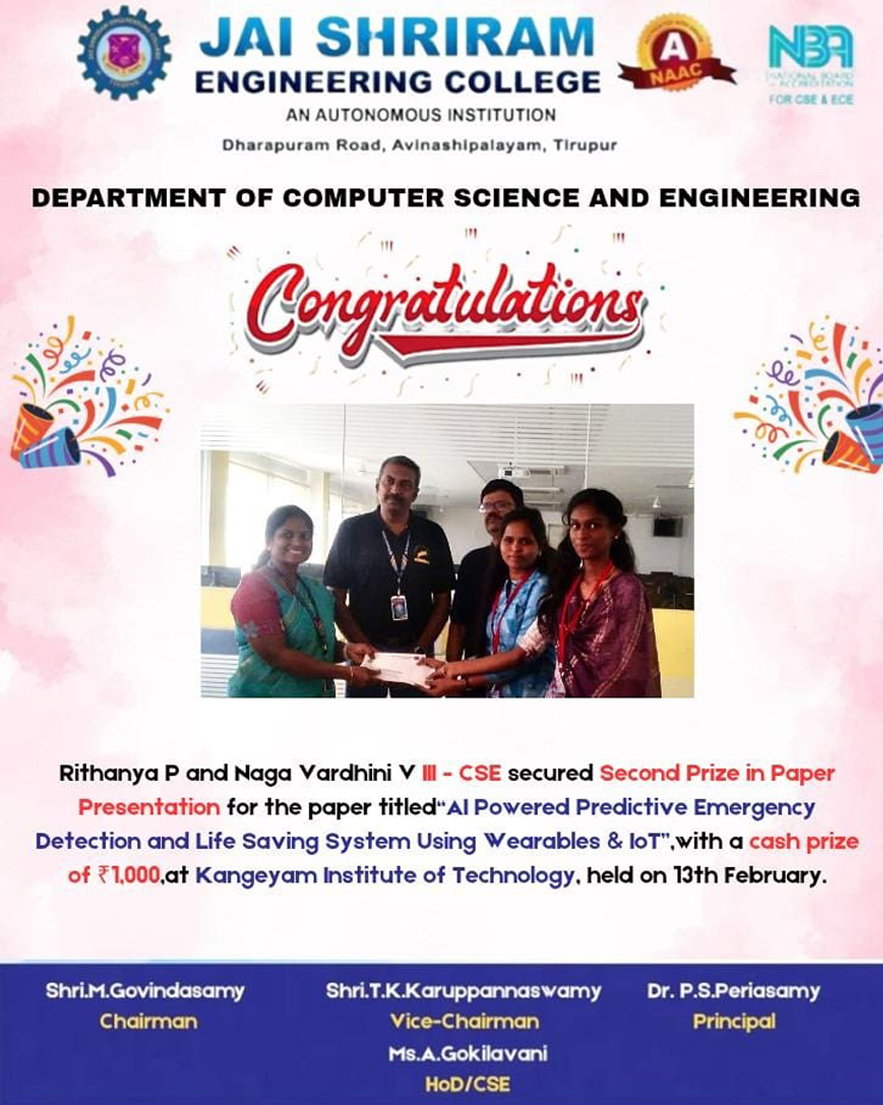
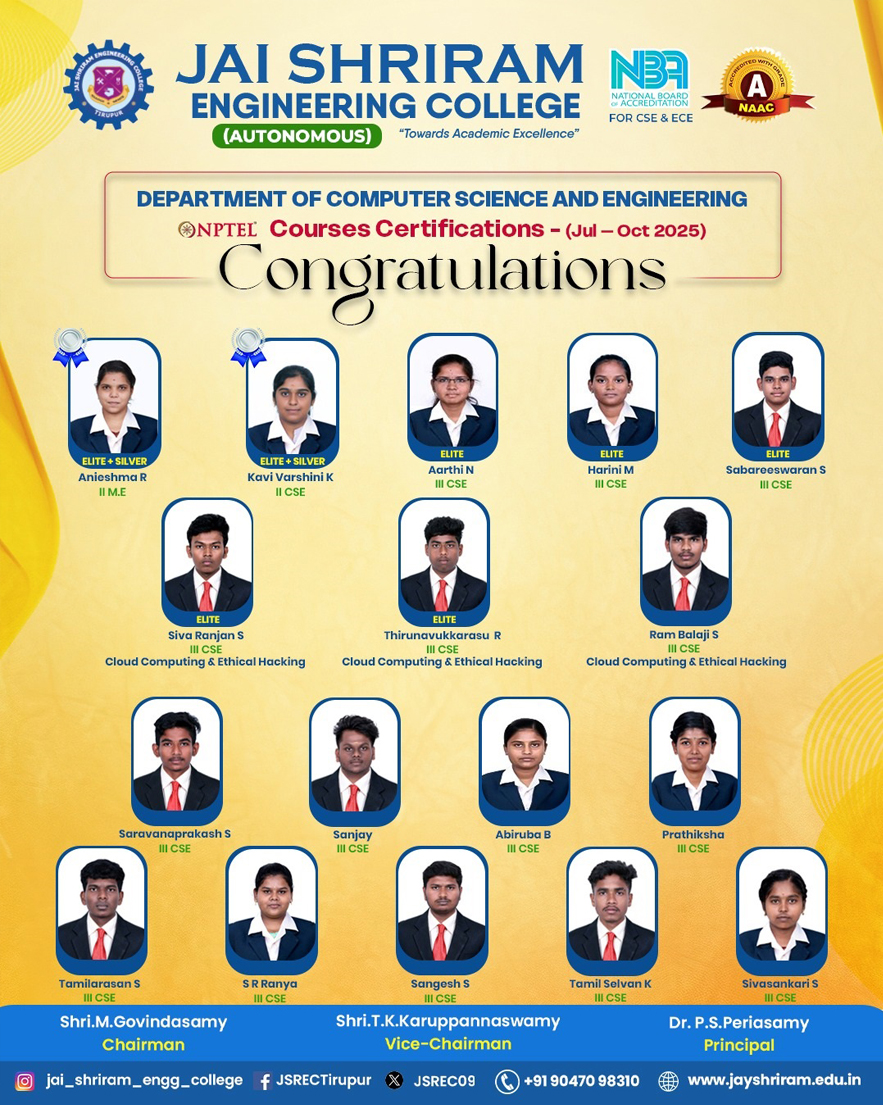
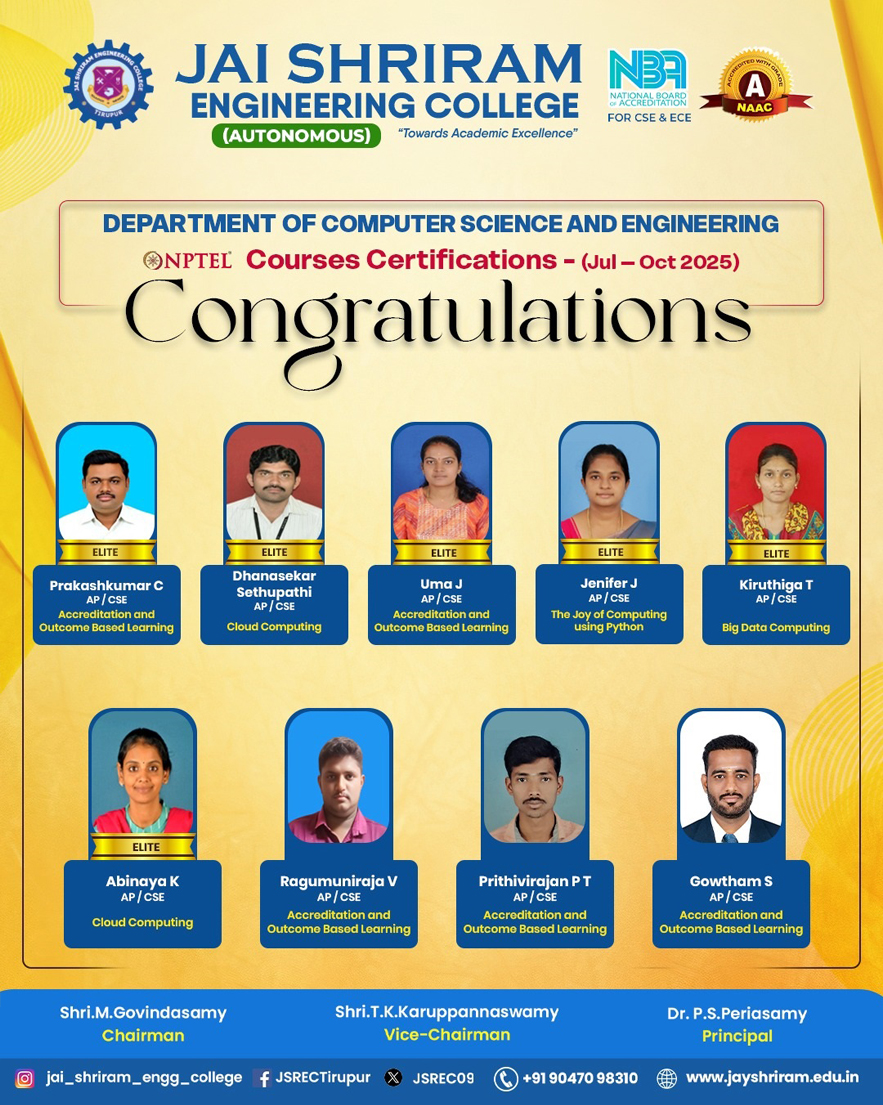
The department conducts value added courses, hands-on workshops and technical talks throughout the academic year in order to bridge the gap between the industry and the institute. Students are encouraged and motivated to do mini projects, online courses such as NPTEL, SWAYAM, MOOC and internships which are very much helpful during campus recruitment.
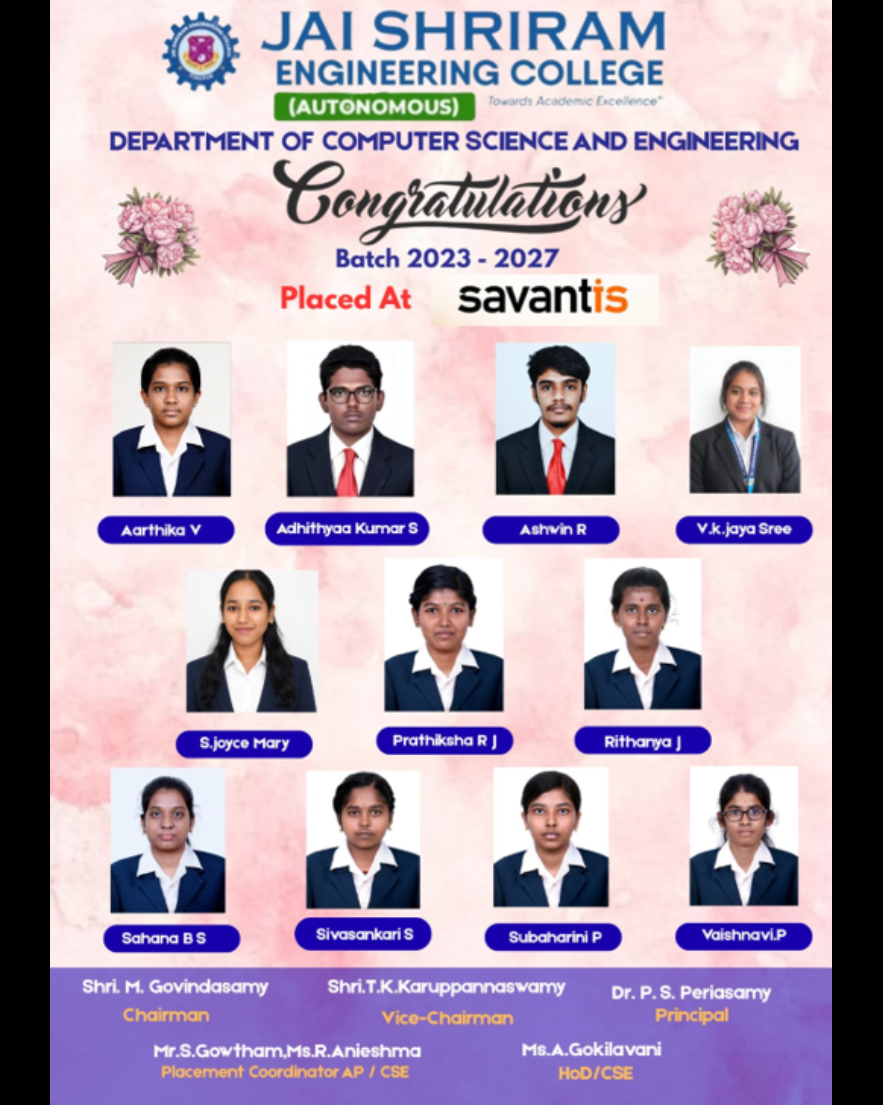
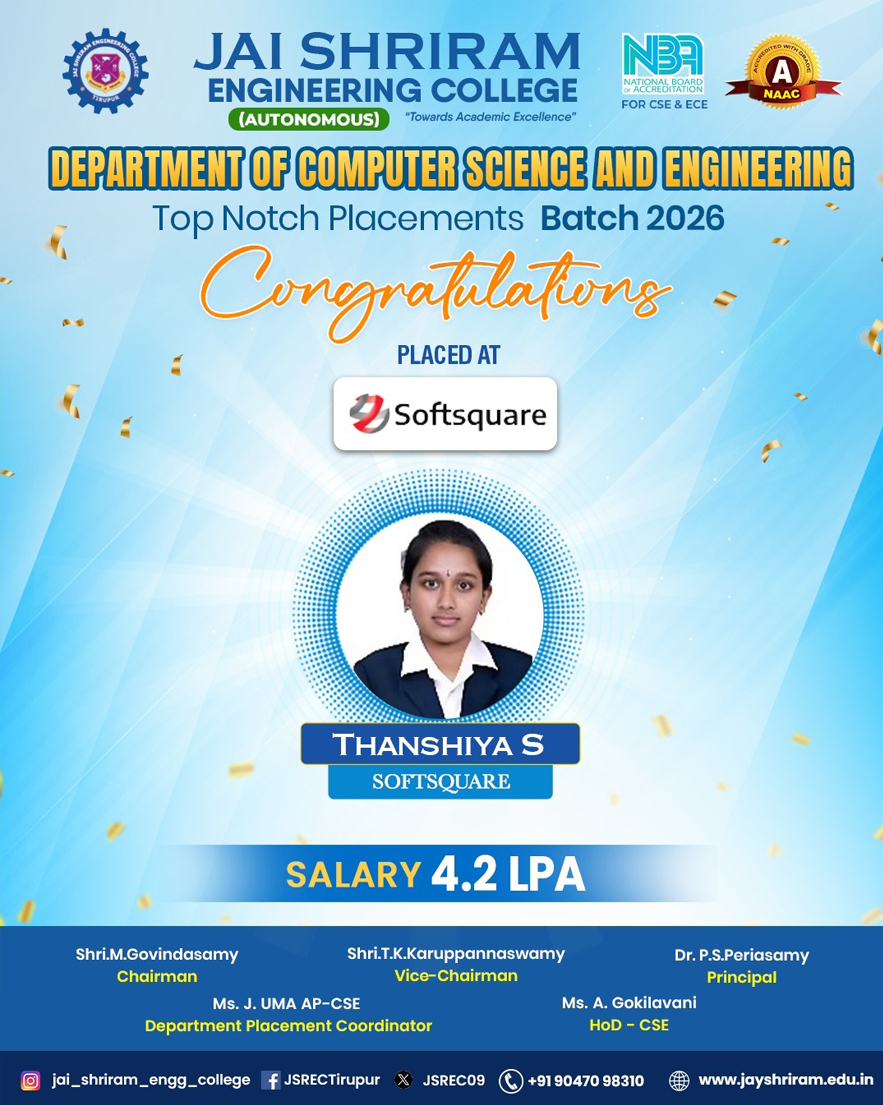
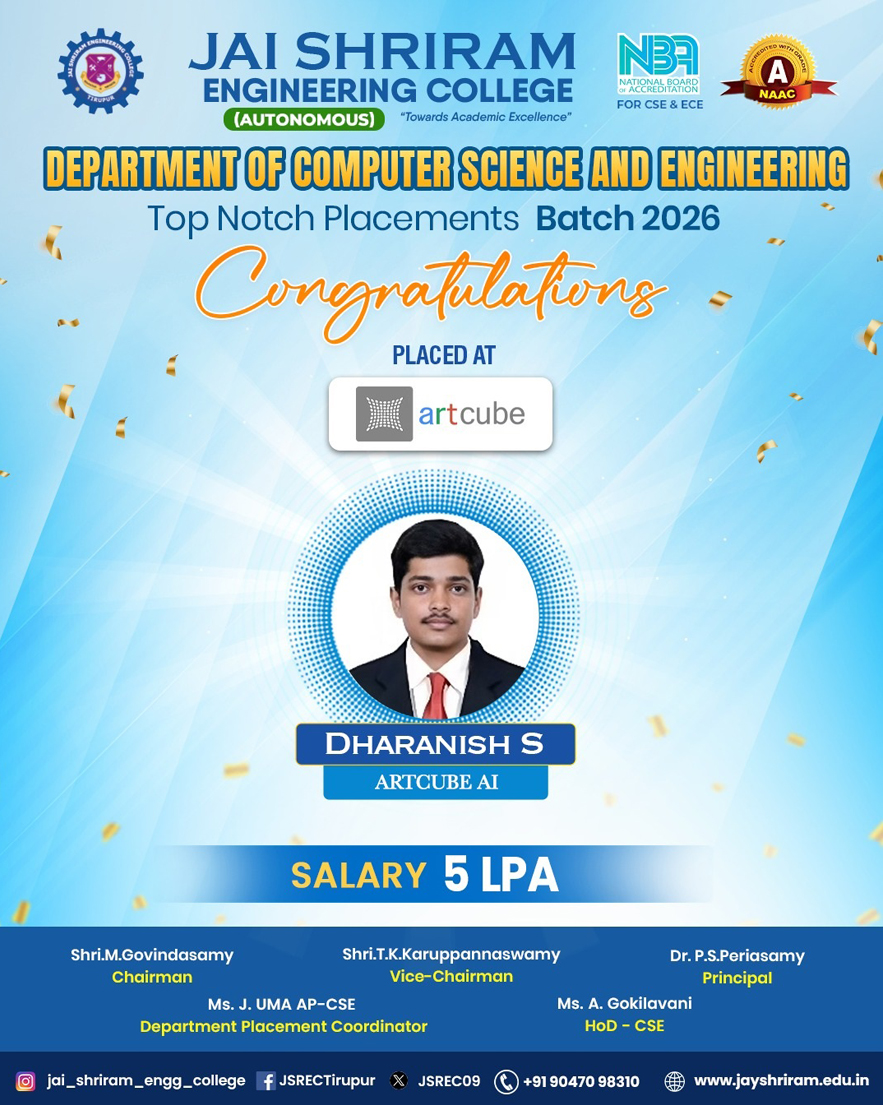
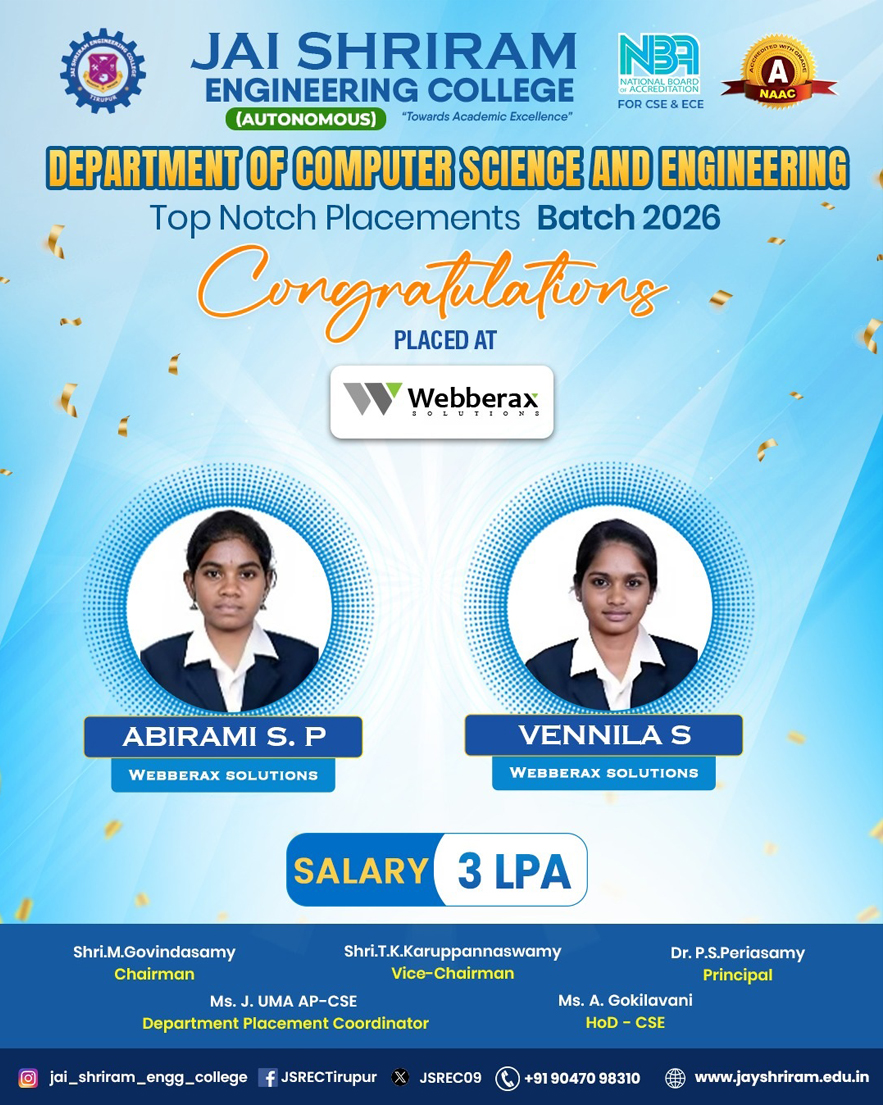
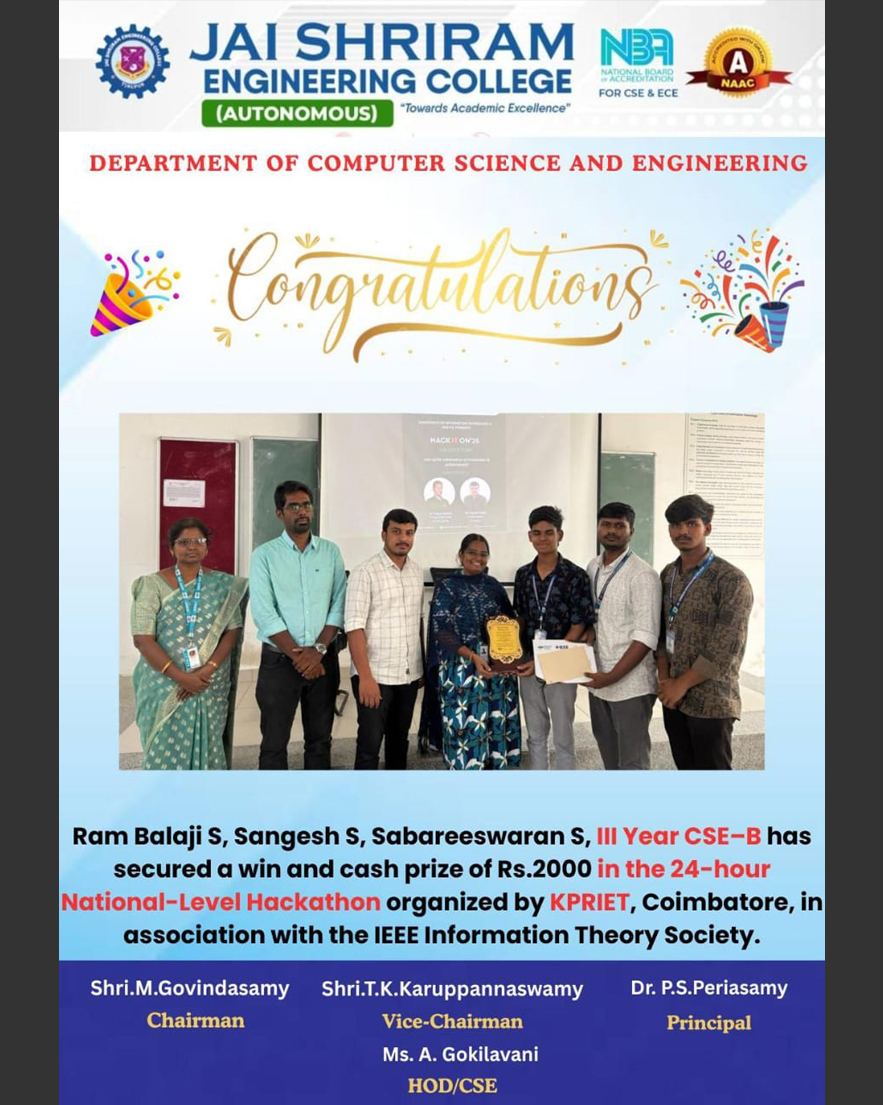
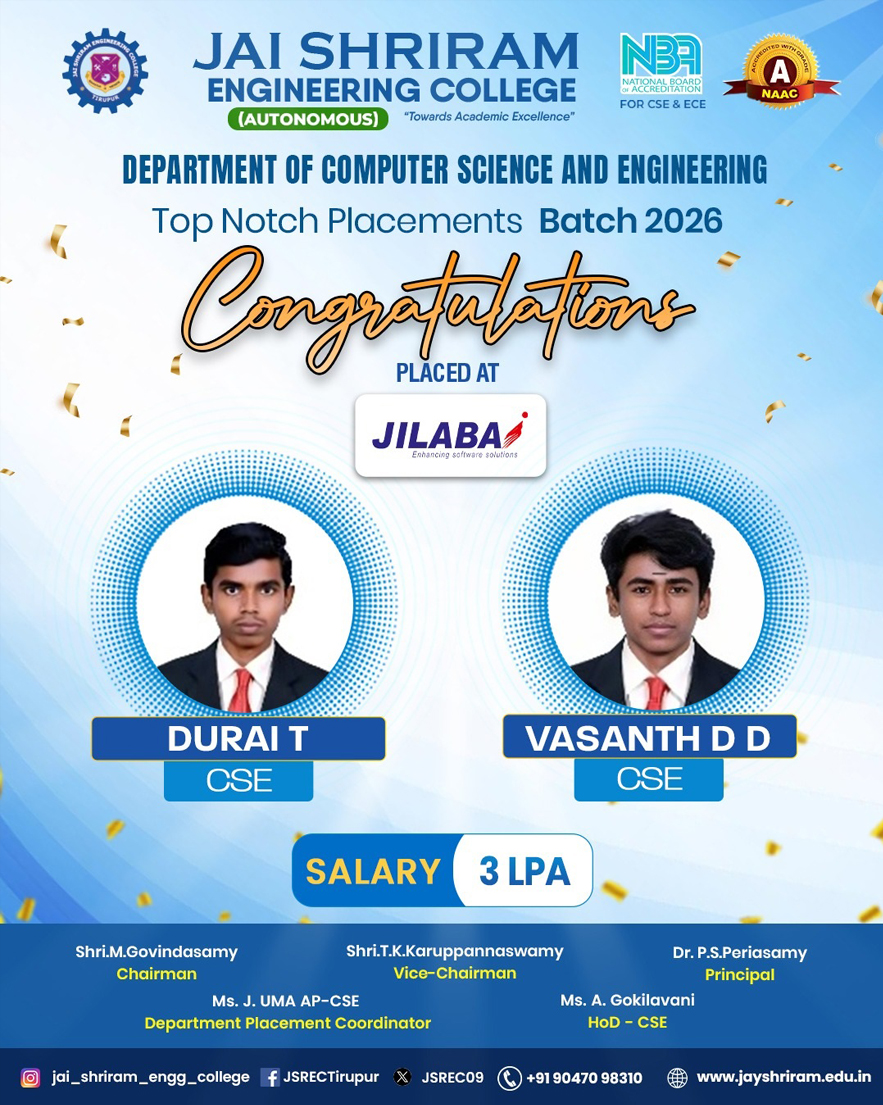
The department has a constant placement record of students in various MNC companies like CTS, INFOSYS, TCS, IVTL, etc.
Vision
- To produce proficient software and hardware professionals, researchers along with entrepreneurs by imparting sound knowledge in Computer Science and Engineering with technical expertise to meet the global challenges.
Mission
- To enhance the students with practical knowledge in design and development of innovative system to serve global demands and standards.
- To create competent and high quality engineers by edifying the state-of-the-art tools and skills which are necessary to adopt emerging technological and societal changes.
- To sensitize the graduates to become responsible Computer Science Engineers with ethical and human values.
Programme Details
- PEO1: The graduates will accomplish to solve problems in Computer Science and Engineering by applying Mathematical, Scientific and Engineering fundamentals and also to pursue higher education effectively
- PEO2: The graduates will engage them in lifelong learning to acquire and update professional skills and to meet out the demands of global technological changes, by the way of research and involving in technical and societal events
- PEO3: The graduates will impart to sustain high professionalism, ethical standards and effective communication skills in order to work as a part of team on multidisciplinary projects as well as diverse professional environment
- PO1: Engineering knowledge: Apply the knowledge of mathematics, science, engineering Fundamentals, and an engineering specialization to the solution of complex engineering problems
- PO2: Problem analysis: Identify, formulate, review research literature, and analyze complex engineering problems reaching substantiated conclusions using first principles of mathematics, natural sciences, and engineering sciences
- PO3: Design/development of solutions: Design solutions for complex engineering problems and design system components or processes that meet the specified needs with appropriate consideration for the public health and safety, and the cultural, societal, and environmental considerations
- PO4: Conduct investigations of complex problems: Use research-based knowledge and research methods including design of experiments, analysis and interpretation of data, and synthesis of the information to provide valid conclusions
- PO5: Modern tool usage: Create, select, and apply appropriate techniques, resources, and modern engineering and IT tools including prediction and modeling to complex engineering activities with an understanding of the limitations
- PO6: The engineer and society: Apply reasoning informed by the contextual knowledge to assess societal, health, safety, legal and cultural issues and the consequent responsibilities relevant to the professional engineering practice
- PO7: Environment and sustainability: Understand the impact of the professional engineering solutions in societal and environmental contexts, and demonstrate the knowledge of, and need for sustainable development
- PO8: Ethics: Apply ethical principles and commit to professional ethics and responsibilities and norms of the engineering practice
- PO9: Individual and team work: Function effectively as an individual, and as a member or leader in diverse teams, and in multidisciplinary settings
- PO10: Communication: Communicate effectively on complex engineering activities with the engineering community and with society at large, such as, being able to comprehend and write effective reports and design documentation, make effective presentations, and give and receive clear instructions
- PO11: Project management and finance: Demonstrate knowledge and understanding of the engineering and management principles and apply these to one‘s own work, as a member and leader in a team, to manage projects and in multidisciplinary environments
- PO12: Life-long learning: Recognize the need for, and have the preparation and ability to engage in independent and life-long learning in the broadest context of technological change
The students will be able to
- PSO1: Analyze and Design quality software solutions for scientific and business applications by practicing the concepts of Computer Science and Engineering
- PSO2: Develop programming skills to solve real world problems related to social issues with ethical values
- B.E. Computer Science & Engineering
- M.E. Computer Science & Engineering

Ms.A.Gokilavani
Assistant Professor/Head

Dr.A.M.Ravishankkar
Professor

Ms.B.Jeeva
Assistant Professor

Ms.J.Uma
Assistant Professor

Ms.R.Ilakkiyavani
Assistant Professor

Mr.S.Gowtham
Assistant Professor
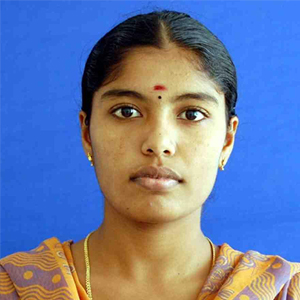
Ms.S.Ragadharshini
Assistant Professor
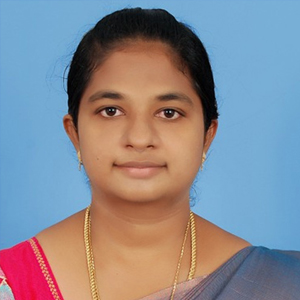
Ms.J.Jenifer
Assistant Professor
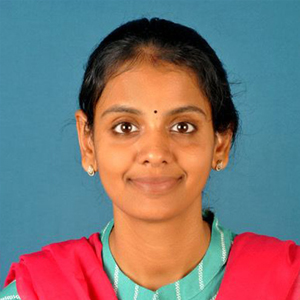
Ms.K.Abinaya
Assistant Professor
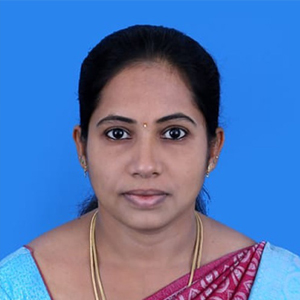
Ms.P.Vijaya
Assistant Professor

Mr.P.T.Prithivirajan
Assistant Professor

Mr.V.Ragumuniraja
Assistant Professor
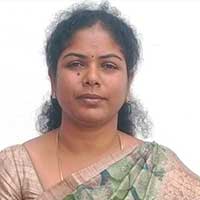
Ms.M.Malarvizhi
Assistant Professor

Mr.N.Anbarasu
Assistant Professor

Ms.R.Anieshma
Assistant Professor

Ms.A.Punithavathi
Assistant Professor

Ms.V.Vishnupriya
Assistant Professor
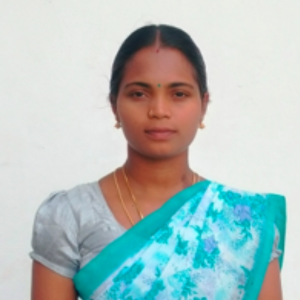
Ms.S.Sathiya
Assistant Professor
Laboratory Facilities
- Data Science and Machine Learning Laboratory
- Programming Laboratory
- Communication Laboratory
- Application Development Laboratory
- IoT Laboratory
Consultancy
The Department of Computer science and Engineering is involved in consultancy work by providing technical support to various organizations for doing their projects. The details of consultancy works carried out by the department are given below.
Value Added Courses
The department of Computer Science and Engineering offers offers a wide variety of short term value adding certificate courses. The students have the option to choose the courses according to their desires through which students gain the skills to meet the current industry requirements. We provide the following value adding courses.
- Python Programming
- Flask Framework
- Panda
- Django
- Internet of Things (IoT)
- Machine Learning
Library
The department of CSE provides resources and service to students through department library. Department library has the text books and reference books for all the course subjects and also books for recent technologies like IOT, Machine Learning, Big data analytics, etc,. The department library has few journals related to computer science and engineering. The primary purpose of CSE department library is to provide support to the students by providing books and journals to students and faculty for their reference.
Achievements